Home exterior · Windows · Paid editorial
A window quote should list the glass, the frame, and the install
Drafts, fogged panes, and sashes that will not stay open are ordinary reasons to price replacements. The number only helps if you know whether you are buying an insert, a full-frame unit, and which glass package is actually in the bid.
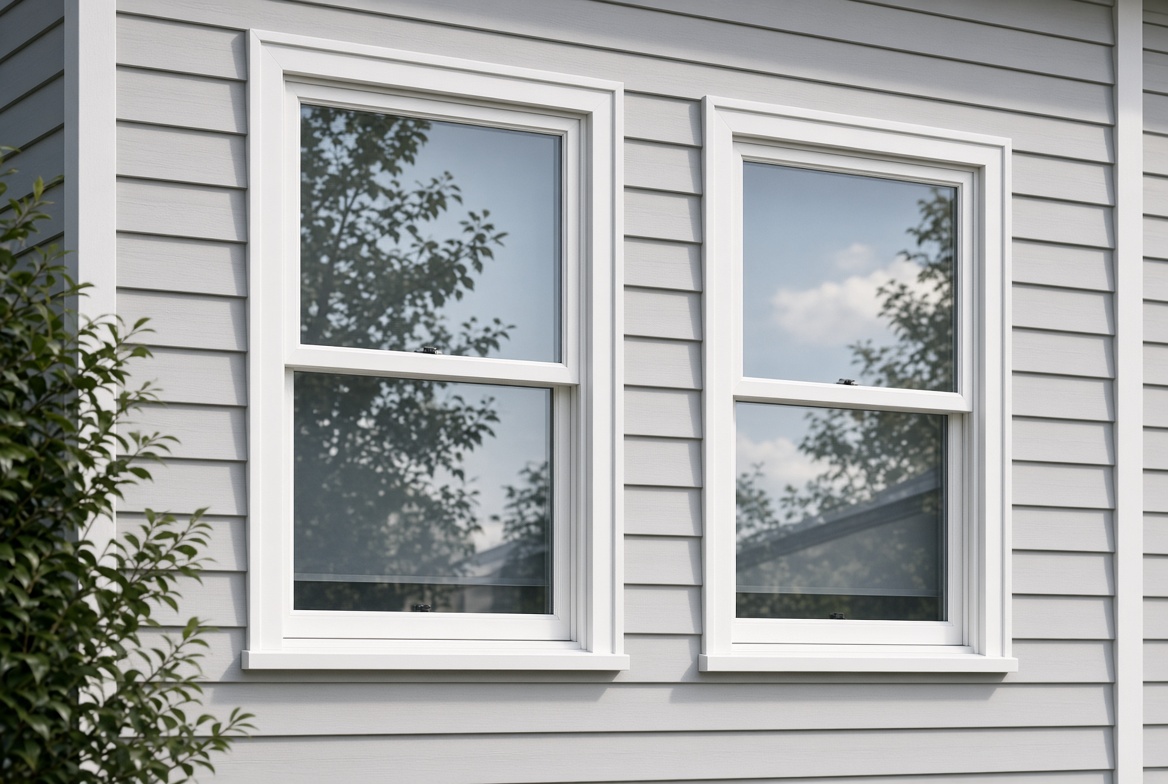
Windows fail in quiet ways. The lock still turns, the house still looks fine from the sidewalk, and yet a room feels cold along one wall or a pane clouds up between the layers of glass. That clouding usually means the seal in an insulated unit has failed. It is a comfort and appearance issue. It is not, by itself, an emergency, and it is not proof that every window in the house must be replaced this month.
Advertisements in this category sometimes quote a very low per-window figure or a whole-house total that sounds like a closeout. Those figures are marketing. They are not a bid for your openings. Window size, tempered-glass rules near doors and floors, grille style, exterior color, and the condition of the old frame all move the price. If a number is not attached to a measured opening, do not budget with it.
Check local window replacement optionsLeaves this page. The estimate, if you request one, is free to ask for.
What is actually wrong with the old windows
It helps to separate problems you can see from problems a salesperson asserts.
- Failed insulated glass. Moisture or a gray film between panes does not wipe off. The unit has lost its seal. Some companies replace just the glass; many quotes replace the whole sash or the whole window.
- Operation. A double-hung that will not stay up, a crank that strips, or a lock that misses the keeper is a hardware and balance problem. On a wood window it can also mean the sash has swollen or the track is painted shut.
- Air leaks you can feel. Hold the back of your hand at the meeting rail and the sill on a windy day. Some leaks are the window. Some are missing casing insulation, a gap at the stool, or a storm window that was never closed.
- Wood decay at the sill. Soft wood is a water problem. Covering it with a new insert without repairing the rot moves the damage out of sight.
- Noise and UV. Laminated glass and some low-E coatings change those, to a degree. No residential window makes a busy road disappear.

Insert versus full-frame replacement
An insert, or pocket, replacement slides a new frame inside the old one after the sashes come out. It is faster and it keeps interior and exterior trim if that trim is sound. You lose a little glass area because the new frame sits inside the old one. If the old frame is out of square or rotten, an insert locks that problem in place.
A full-frame replacement removes the old window down to the rough opening. The installer can see the sheathing, flash the opening, and insulate around the new unit. It disturbs more trim and costs more labor. On houses where water has already stained the drywall under a window, full-frame is often the honest scope.
New-construction windows with a nailing flange are a third case, used when the wall is open. They are the wrong product to force into a closed-up replacement if the flange has nowhere to go. A clear quote names the product style, not just the brand.
Glass packages, without the energy fairy tale
Most replacement quotes today are dual-pane. Triple-pane exists and is heavier; it is more often chosen in cold climates or on a noisy side of the house, and it is not automatically worth it on every elevation. Low-E coatings reflect a portion of infrared energy. The coating can be tuned for keeping heat out or keeping heat in. A southern picture window and a northern bathroom window do not have to be the same package.
Gas fills (argon is common) sit between the panes. They are not something you can see, and they are not a reason to believe a specific percentage off a heating bill. Air sealing at the install, shades, insulation in the walls, and how you set the thermostat usually matter as much as the gas. Ask for the NFRC label values the manufacturer publishes for that exact unit: U-factor, solar heat gain coefficient, and visible transmittance. Those are comparable. A spoken “energy efficient” is not.
A quote you can actually compare
- Count of windows, each measured, with a note on tempered locations.
- Insert or full-frame, and what happens to interior casing and exterior trim.
- Frame material, color, and whether the exterior matches existing trim or is a standard white.
- Glass package by name, with U-factor and SHGC, not a slogan.
- Screens, grilles, hardware finish, and who hauls away the old units.
- Lead-safe work practices if the house was built before 1978 and paint will be disturbed. That is a real scope item, not a footnote.
- Labor warranty, material warranty, and whether either transfers if you sell.
- Permit, if your city requires one for window replacement. Some do.
Installation is the half of the product you cannot return. Flashing tape, a sloped sill, and insulation around the frame are what keep the new unit from leaking into the same wall the old one stained. Ask who is on site: the company that measured, or a subcontractor the company will not name.
What the partner page is for
Find My Window Pro is a lead site for homeowners who want replacement pricing in their area. You leave this article and enter a ZIP code and project details there. A local provider may follow up with availability and a figure. Coverage is not identical in every ZIP. Following up does not require you to buy.
- Read this page so you know which questions to ask.
- Continue to the partner if you want a local company to contact you.
- Get the scope in writing before you compare it with anyone else.
- Check the license if your state licenses home-improvement contractors, and ask for insurance.
Request window pricing for your ZIPThird-party form. You choose whether to share contact details.
Questions worth settling first
Are “wholesale” or “manufacturer direct” prices a real discount?
Sometimes a company sells installed product without a separate retail showroom. Sometimes the phrase is just the headline. The comparable object is a written, measured quote, not the headline.
Can I replace one or two windows?
Yes. Matching the frame color and grille pattern of the windows you leave in place is the design problem, not a rule that says the whole house must be done.
Do new windows stop condensation?
Failed seals are fixed by replacing the insulated unit. Condensation on the inside face of the glass is often indoor humidity. A tighter house without a ventilation plan can make that humidity more obvious, not less.
How long does installation take?
A few standard-size inserts can be a one-day visit. Full-frame work, lead-safe setup, or openings that need carpentry take longer. The installer should say which case yours is after measuring.
Will this raise my home’s value by a set amount?
No one honest writes that into an ad. Buyers notice rotting sills and fogged glass. They do not pay a formula based on a window brochure.
Who publishes this page?
Window Upgrade Journal, as a sponsored article. We are not the installer. The link goes to Find My Window Pro.
Continue to local optionsNo work is scheduled by reading this article.